
Mitchell Education

A teacher who learned AI. An AI leader who knows teaching.

Mitchell Education helps schools think clearly about artificial intelligence — what to do about it in the classroom, what to do about it in the back-office, and how to prepare students for the world they're entering.

Afternoon light falling across an empty classroom through wooden blinds

The bridge

Most advisors on AI in schools come from one side of the question or the other. Either they've taught — and learned AI second-hand — or they've built AI in industry and never run a classroom.

Mitchell Education was founded to bridge that gap: six years teaching maths and physics in independent schools, then building a generative AI function from scratch at one of the UK's most ambitious technology-led companies. The work I do for schools draws on both.

Three fronts schools are wrestling with.

Each one needs a different conversation. I work across all three.

Empty modern classroom with wooden desks arranged in rows, afternoon light

Pillar 01

AI for teaching practice

The most immediate question for most schools is also the most practical: how should teachers actually be using AI? Done well, AI can take genuine hours off the planning, marking, and feedback cycle. Done badly, it produces generic resources, opaque assessment, and a quiet erosion of professional judgement. I work with teachers and middle leaders on the specific workflows where AI helps and the ones where it doesn't.

What this looks like

  • Practical CPD and INSET sessions for teaching staff
  • Departmental workshops on subject-specific AI use
  • Workflow design for planning, marking, and feedback
  • One-to-one coaching for senior teachers and heads of department

Learn more about how I work with schools on this

Pillar 02

AI in the school back-office

Behind every classroom is an admissions team, a bursary, a marketing office, a communications function, a finance team. These are where AI is going to change schools most quickly and most quietly. Most schools start by adding AI to individual tasks — a chatbot here, a drafting tool there. The bigger question is what each of these functions should look like when AI is doing the routine cognitive work, and that's the question I help leadership teams think through.

What this looks like

  • AI readiness audits for senior leadership teams and MAT central teams
  • Policy, governance, and acceptable-use frameworks
  • Vendor evaluation when choosing between AI tools
  • Strategic advisory retainers for ongoing thinking partnership

Learn more about how I work with schools on this

Long meeting-room table with chairs and floor-to-ceiling windows
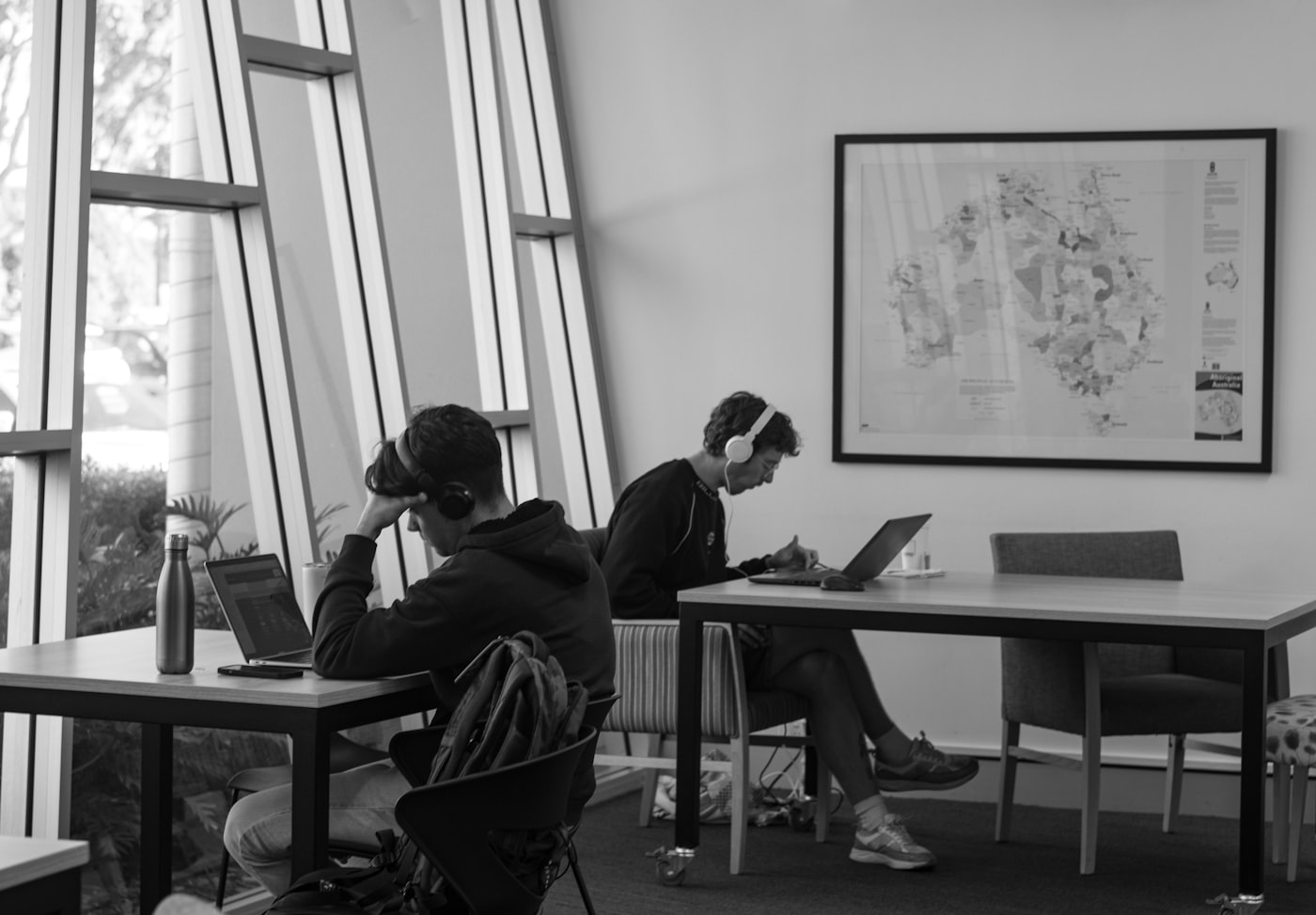
Two students working quietly in a sunlit study space

Pillar 03

Preparing students for the age of AI

A student starting Year 7 today will leave school into a working world that has been remade by AI. What does it mean to teach them well? What does it mean to assess understanding when students have AI in their pocket? What does an AI-literate school leaver actually look like? These are curriculum questions, assessment questions, and pastoral questions all at once. I work with schools to think through them properly rather than reactively.

What this looks like

  • Curriculum and assessment review through an AI lens
  • Departmental sessions on subject-specific student AI literacy
  • Whole-school strategy for student AI use
  • Workshops with senior leadership on the medium-term curriculum question

Learn more about how I work with schools on this

Not sure where to start? That's what discovery calls are for.